Lost power, a breaker that won't reset, sparks or a burning smell? Don't fight a language barrier in a crisis. Call our English-speaking line — day or night — and we dispatch the nearest vetted electrician to you.
Price agreed before any work starts · No surprise invoices · Vetted local pros
Some faults can wait until morning. These ones shouldn't — if you recognise any of them in your Paris flat, it's worth calling now.
The whole flat is dark, or one circuit — the kitchen, a bedroom, the fridge — has died while the rest stays on. Partial loss usually points to a single tripped circuit or a failing cable rather than a building-wide cut. More on power outages →
You've pushed the breaker or RCD back up and it trips straight away again. That repeated trip is the protection doing its job — there's an overload, a short circuit or a faulty appliance behind it that needs finding. Fuse box repair →
An acrid plastic smell, a buzzing socket, visible sparks or brown scorch marks around an outlet or the panel. This is a fire risk, not a nuisance — see the safety box below and call without delay.
A cable pulled loose from a socket, bare copper showing, a chewed flex or a fitting hanging off the wall. Anything that leaves live conductors reachable should be made safe by an electrician, not taped over. Socket & switch repair →
You felt a tingle or a jolt touching a washing machine, kettle, tap or light switch. Even a small shock means current is leaking where it shouldn't. Stop using it and get it checked — this is one of the clearest danger signs there is.
Your electric water heater (cumulus) or electric heaters have gone cold in the middle of a Paris winter — often a tripped circuit or a failed element. Not life-threatening, but with no backup it's an urgent call, especially overnight.
A leak dripping onto a socket, a flooded floor reaching a multi-plug, or rain coming in near a fitting. Water and electricity together is a serious shock and fire risk — keep clear of the wet area and call before touching anything.
Stop using the socket or appliance. If you can reach the plug safely, unplug it. If you can get to the consumer unit (tableau électrique) without touching anything hot, scorched or wet, switch off that circuit — or the main switch to cut all power. Never pour water on an electrical fire. Then call us straight away on 07 56 96 88 61 — a burning smell, visible sparks or a shock from an appliance means there is a live fault, and we treat these as priority call-outs.
Once help is on the way, a few simple steps keep you safe and can stop a small fault becoming a bigger one. None of this requires any electrical skill.
If at any point you feel unsafe — heavy smoke, flames, or you can't make a circuit safe — leave the property and call the French emergency services on 112 (or the fire brigade on 18) first.
From the moment you call to power restored — no French required, no confusion at the door.
Tap to call and talk to a real English-speaking agent — not a menu. Tell us where you are and what's happening: the lights are out, a socket is sparking, the heating's died.
We match you with the nearest available vetted electrician, brief them on the fault, and confirm a clear price with you before anyone is sent. You'll know who's coming and a realistic estimate of when.
Your electrician traces the fault, makes it safe and gets your power working again — then talks you through what was wrong so it doesn't catch you out twice.
Across central Paris an electrician is usually close by — often within the hour. We always give you the honest estimate on the call rather than a guaranteed time we can't keep, because traffic and the hour of the night genuinely affect it.
The honest answer is that it depends on the job and the time — but you should never be left guessing. As a rough guide, most emergency call-outs in Paris fall in the €90–€250 range, and we agree the exact price with you before any work begins.
A few things drive where you land in that range. A straightforward visit — diagnosing a tripped circuit, resetting a faulty breaker, swapping a single dead socket — sits at the lower end. More involved work — tracing a hidden short circuit through the walls, repairing a damaged consumer unit, or replacing scorched wiring — takes longer and uses more parts, so it costs more. The time of the call-out matters too: night, weekend and public-holiday rates are higher than a weekday afternoon, which is normal across the trade in France and set out in advance, not sprung on you afterwards.
What stays constant is the way we handle the money. The price is confirmed with you on the call, in English, before the electrician is dispatched — so there's no surprise invoice in a language you can't read at 2am. For larger jobs (a panel replacement, rewiring a circuit), French law entitles you to a written quote, or devis, and a clear receipt for what you pay. If a job turns out to need more than the emergency make-safe, the electrician will explain it and quote it before doing the extra work, not while you're holding your wallet at the door.
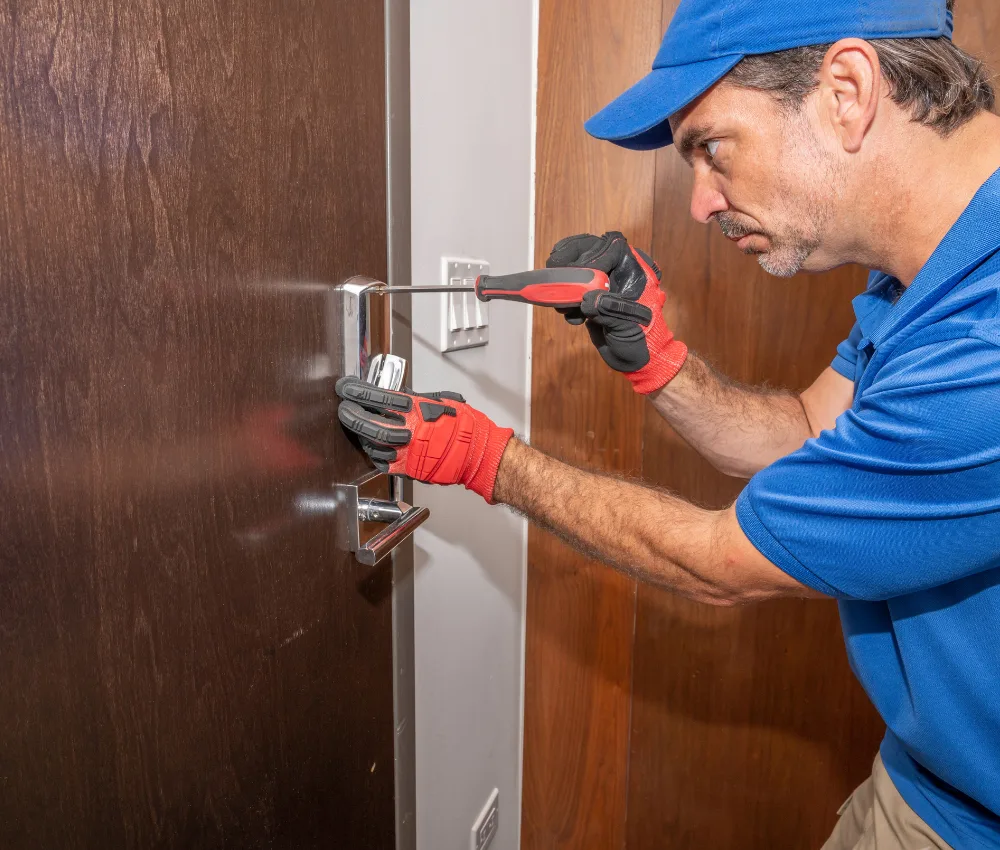
An electrical fault is stressful enough in your own language. In French, at night, it becomes genuinely risky: you can't clearly describe a sparking socket or a tripped RCD, so the wrong help turns up; you can't tell whether the price is fair; and you're asked to sign an invoice you can't read. With electricity, hesitating because you can't explain the problem costs real time when a burning smell or a live fault is involved.
Putting a calm English-speaking voice between you and that situation removes almost all of it. You explain the fault clearly the first time, we brief the electrician so the right person arrives ready, and the price is agreed up front. It's the same promise behind our wider English-speaking electrician service — and in an emergency it matters most. When you're ready, browse our full Paris coverage across all 20 arrondissements.
Whether it's 3pm or 3am, a weekday or a national holiday, there's always an English-speaking agent ready to take your call and get help moving.